From team workshops to new markets: lessons from Anopol
A specialist business can know its craft exceptionally well and still struggle to explain why a new customer should choose it. Anopol’s “We do difficult” campaign offers a useful lesson: bring the team’s knowledge into the commercial discussion before deciding what to say to the market.
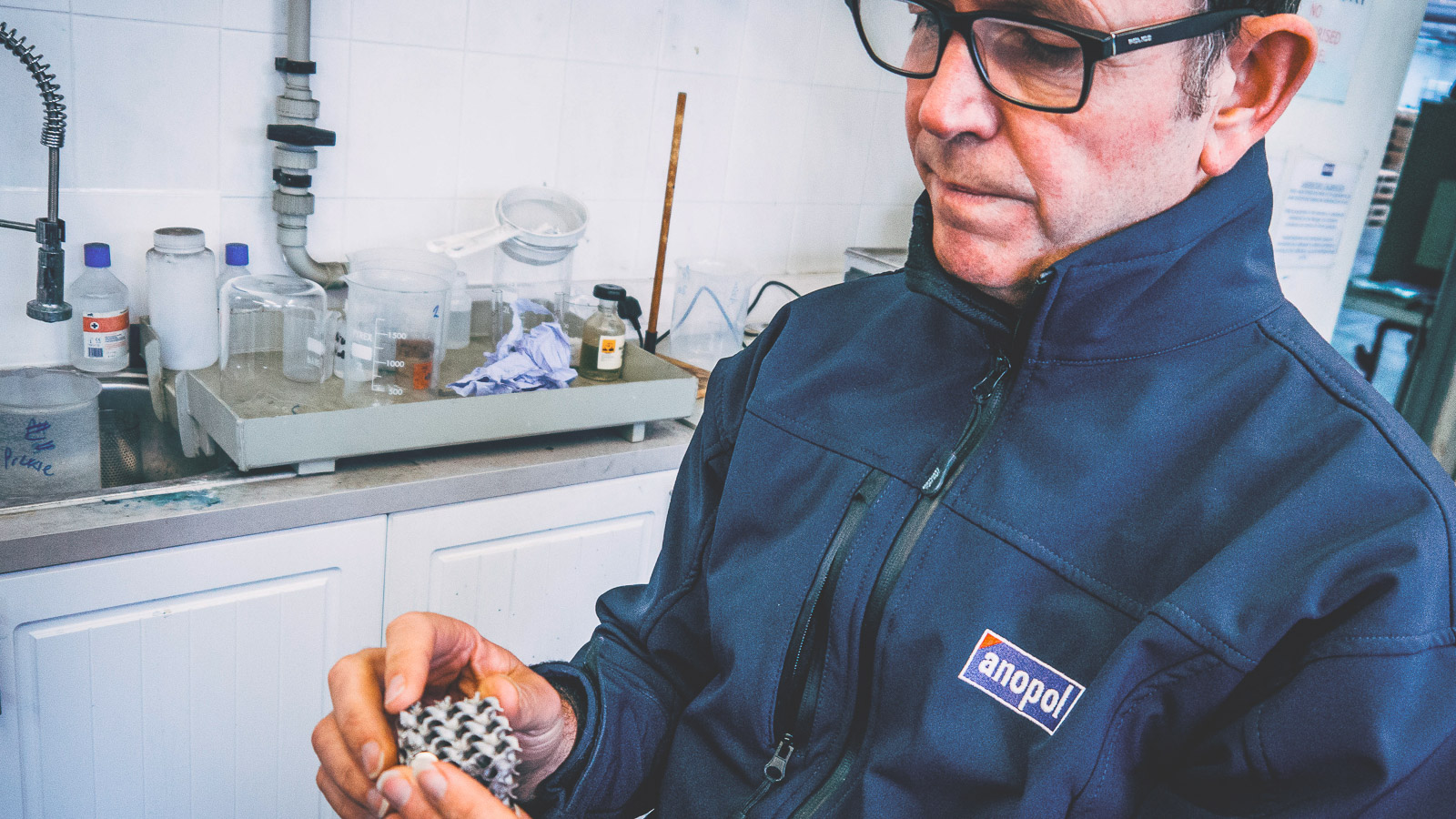
Give the workshop a decision to support.
A workshop needs a purpose beyond collecting opinions. For a business considering new markets, that purpose might be to choose which customer problems to pursue, define the value of an under-recognised capability or agree what a campaign should lead with.
Be clear about that decision at the outset. It gives the discussion a focus and helps the team distinguish an interesting idea from something the business can act on.
In Anopol’s case, we used team workshops to define the proposition and explore new markets and sectors. The wider project story is in the Anopol case study; the useful question here is how other specialist businesses can approach the same decisions.
Turn technical knowledge into customer value.
The people doing the work often understand distinctions that an outsider would miss: an awkward requirement, an unusual application or a problem that a standard service cannot resolve. Commercial teams bring another perspective: what customers ask for, what makes them hesitate and why they return.
Bring those perspectives together. Ask the team to work through actual customer problems, rather than begin with a list of adjectives about the business.
- What was the customer trying to achieve?
- What made the work demanding?
- Which part of our expertise made a difference?
- What evidence would help another customer recognise that value?
The aim is a proposition that customers can understand and the team can support with specific examples.
Choose a promise the business can deliver.
“We do difficult” gave Anopol a concise campaign idea rooted in its specialist capability. Its strength was the connection between the words and the work behind them.
For another business, a different proposition may be right. Test a proposed line against three questions: does it address a customer need, does it give people a reason to choose us, and can our team show how we deliver it?
A memorable phrase earns its place when it guides a useful conversation. It should help the sales team explain the offer and help a prospective customer recognise a possible fit.
Look across sectors for the same underlying need.
A list of attractive industries is only a starting point. A stronger market-development discussion asks where the business’s existing expertise could solve a relevant problem.
Anopol’s science-driven surface-treatment knowledge provided that starting point. The opportunity was to consider other applications where the requirements made its expertise valuable.
For each potential sector, consider the need, the evidence a buyer will require, the route to the decision-maker and the business’s capacity to deliver. Use those questions to build a focused shortlist, then test the assumptions through customer conversations.
Carry the proposition into the campaign.
The workshop should leave the team with choices it can use. Agree which audience comes first, which problem the campaign will address and what action a customer should take.
Keep the proposition consistent across the campaign and the sales conversation. Support it with relevant examples and give enquiries a clear route to someone who understands the requirement.
Then review what comes back. Are the enquiries relevant? Do customers understand the offer? Which applications keep appearing? That feedback can inform the next commercial decision as well as the next piece of communication.
Leave with a direction.
A useful workshop connects the knowledge inside the business with a choice about the market. The practical outputs are straightforward: a proposition the team can explain, priority opportunities to investigate, evidence to develop and agreed responsibility for the next steps.
The Anopol case study shows how that thinking became a campaign, alongside the technical context, project photographs and David Cass’s account of the response.